WhatsApp: ; Email:
Work

We pioneer the future of furnace technology through relentless investment in R&D. Our dedicated team continuously advances material science and innovates core technology, ensuring that every product delivers unmatched performance and efficiency.
This commitment to cutting-edge development is the foundation of our uncompromising quality. We don’t just meet standards—we set them. By integrating breakthrough innovations into every design, we guarantee reliability, durability, and superior value for our customers.
But our commitment doesn’t end with engineering excellence. It extends into a service experience built on responsiveness, expertise, and genuine partnership. Our global support network provides proactive guidance and swift solutions, ensuring your operations run smoothly and efficiently. We listen, we understand, and we collaborate to meet your unique challenges—today and tomorrow.
Choose a partner where progress never stops, and support never falters. Experience the difference that true innovation and unwavering service make.

Technical Support for MoSi₂ Heating Elements
MoSi₂ (molybdenum disilicide) heating elements are resistive heating elements widely used in high-temperature industrial furnaces and laboratory furnaces. Below, I will introduce their core technical features, usage key points, common problem handling, and selection reference.

Core Technical Features of MoSi₂ Heating Elements
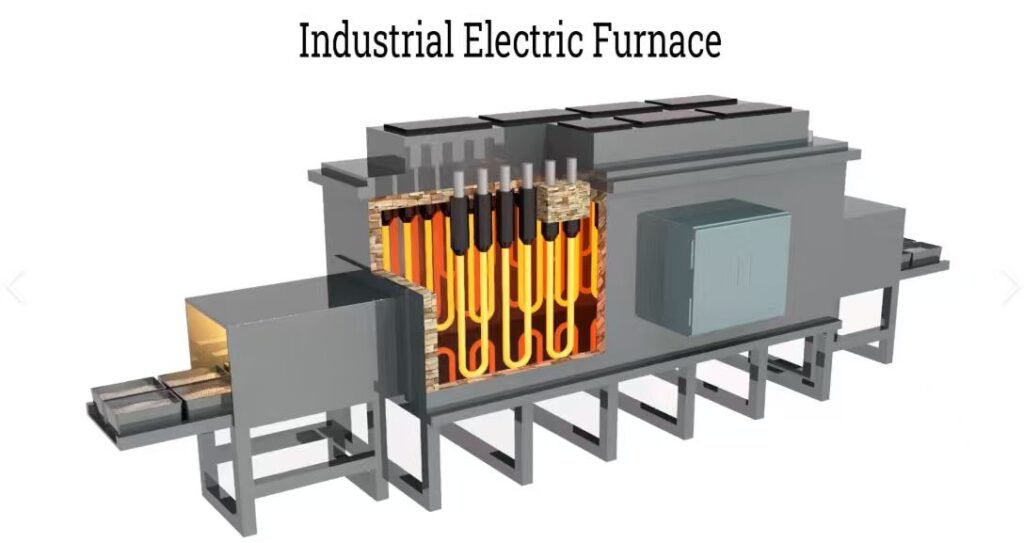
The ability of MoSi₂ heating elements to operate stably in high-temperature environments is primarily due to their unique material properties:
⚠️ Key Usage Points and Precautions
To fully utilize the performance of MoSi₂ elements and extend their lifespan, the following points are crucial:
Power Regulation: Initial resistance is low, requiring a power supply capable of low voltage, high current. As resistance increases with use (element aging), the voltage must be increased accordingly to maintain power. It’s best to use a SCR power controller or transformer.
Atmosphere Requirements: Most suitable for use in an oxidizing atmosphere (like air). In reducing atmospheres, inert atmospheres, or vacuums, the protective SiO₂ film on the surface may be destroyed or unable to form, leading to rapid element failure.
Low-Temperature “Pest” Oxidation: Prolonged operation in the medium-low temperature range of 300℃ to 1000℃, particularly 500℃ to 600℃, if a complete protective film hasn’t formed on the element surface, can lead to accelerated oxidation, generating porous MoO₃ and causing the element to pulverize and fail.
Countermeasure: Avoid prolonged slow heating or holding in this temperature range if possible. If the process requires it, consider pre-oxidizing the elements (forming the protective film at high temperature first) or using products with special treatments (like aluminum-doped Mo(Si,Al)₂ elements).
Installation and Operation:
Mechanical Strength: MoSi₂ elements are brittle at room temperature. Handle with care during installation to avoid sharp impacts or uneven stress.
Heat Dissipation and Installation: The terminal clamps (made of copper or alloy) must be clamped firmly with good contact and maintain effective heat dissipation to prevent overheating, oxidation, increased contact resistance, and potential burnout at the junction.
Czochralski Crystal Growth Furnace Technical Support Guide
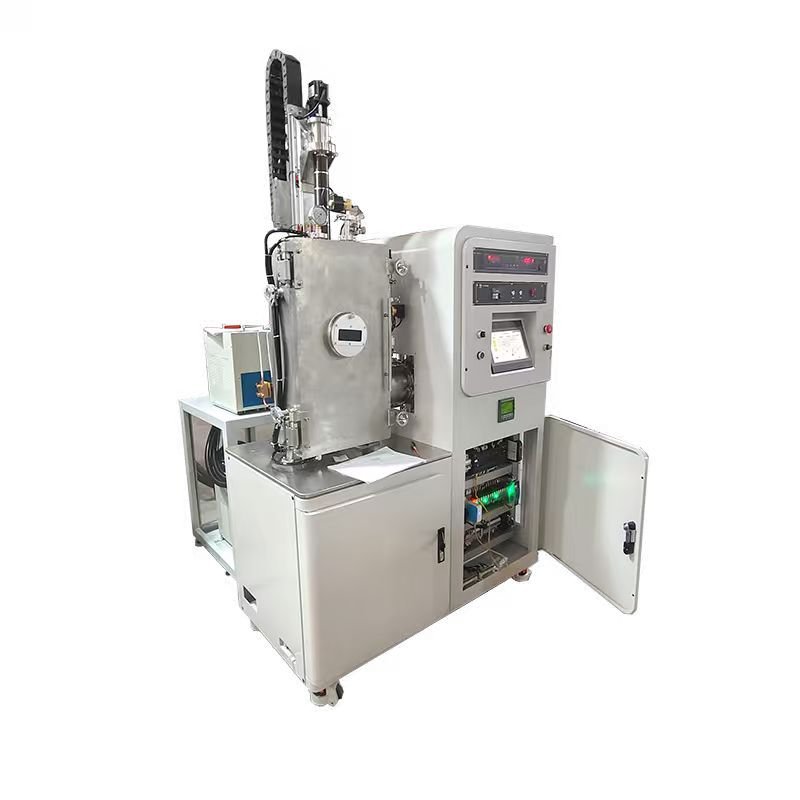
Introduction to Czochralski Crystal Growth Furnace
The Czochralski crystal growth furnace (also known as the crystal puller) is a key piece of equipment used for growing high-quality single crystals. Its basic principle involves heating and melting pre-prepared polycrystalline raw material in a crucible, then using a seed crystal to contact the melt surface. Under controlled conditions of temperature, rotation speed, and pulling speed, the seed crystal is slowly pulled upward, allowing the single crystal to gradually grow. This method can be used to grow various crystal materials, such as Lithium Niobate (LiNbO₃), YAG (Yttrium Aluminum Garnet), GGG (Gadolinium Gallium Garnet), sapphire, Silicon (Si), Germanium (Ge), as well as various oxide crystals and metal single crystals.
Main Aspects of Technical Support
The following are several main aspects of technical support for Czochralski crystal growth furnaces:
| Technical Support Area | Specific Content & Common Issues | Suggestions & Reference Sources |
| Equipment Operation & Process | Loading the furnace, heating/melting material, seeding/necking, shoulder growth, constant diameter growth, tailing off/finishing | Strictly follow operating procedures |
| Temperature Field Control & Optimization | Temperature gradient design, thermal field symmetry, solid-liquid interface control | Optimize thermal field design |
| Vacuum & Atmosphere System | Insufficient vacuum, leaks, protective gas purity issues | Check seals & gas purity |
| Mechanical Transmission System | Pulling/rotation speed stability, vibration issues | Regular maintenance & calibration |
| Crystal Quality & Defects | Cracking, spiral growth, component segregation, dislocations | Adjust temp. gradient & process params |
Common Technical Problems & Solutions
Abnormal Crystal Growth:
“Polycrystallization at Seed”: Refers to the formation of polycrystals instead of single crystal growth when the seed crystal contacts the melt. Possible reasons are incorrect seeding temperature or insufficient seed preheating. Try appropriately increasing the seeding temperature and ensure the seed crystal is fully “baked” and preheated before contacting the melt.
Crystal Cracking: May be related to excessive thermal stress or improper temperature gradient during growth. It is recommended to optimize the temperature field to ensure temperature uniformity during growth and after growth (annealing stage), and to use a slow cooling program.
Spiral Growth: Usually related to unstable temperature field control, unsuitable temperature gradient, or poor solid-liquid interface morphology. It is necessary to check and adjust the temperature field design to ensure the symmetry and stability of the thermal field, and possibly optimize the temperature gradient above the crucible.

With over 40 years of expertise in scientific research and development, the company specializes in designing and manufacturing a wide range of refractory products.
Equipped with modern production facilities, it ranks among the top-tier enterprises in the industry nationwide.
Our products are sold both domestically and internationally, earning consistent high praise from customers around the world.
This recognition has allowed us to build a strong portfolio of loyal, high-quality clients who trust in our innovative solutions and reliable service.