WhatsApp: ; Email:
Work
WhatsApp: ; Email:
Work

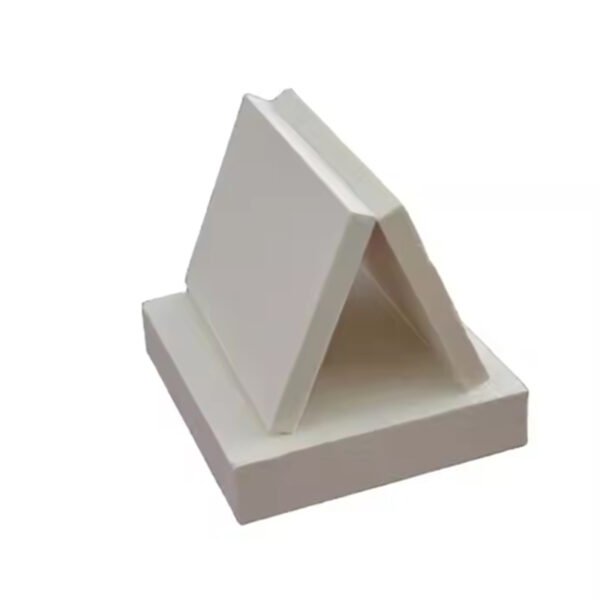
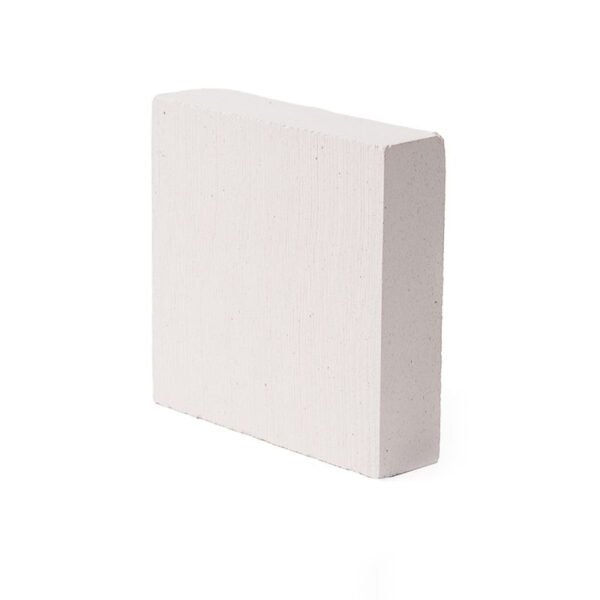
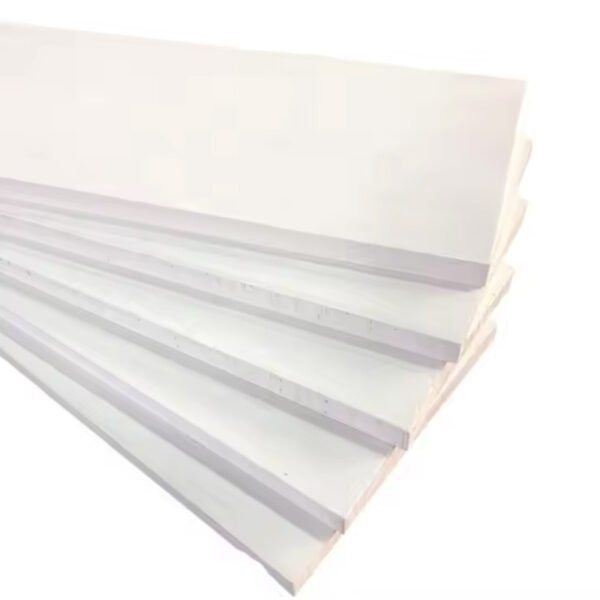
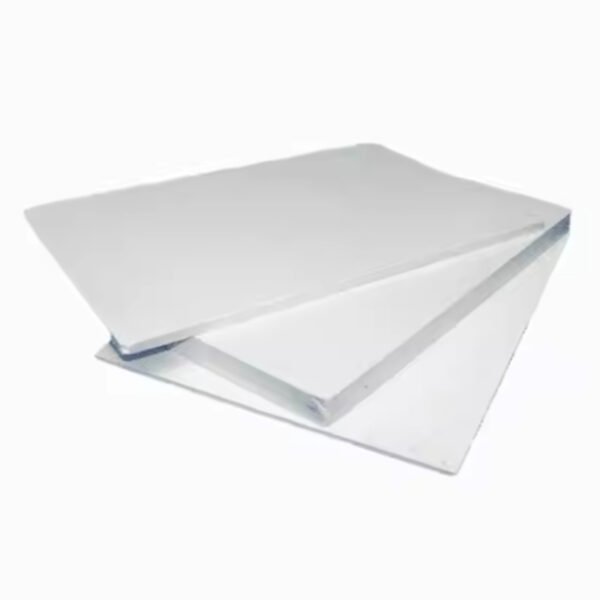
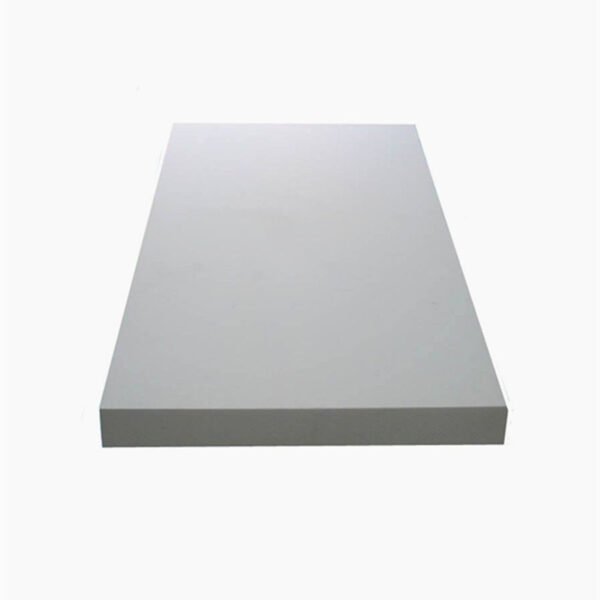
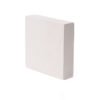
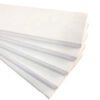
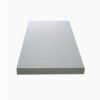
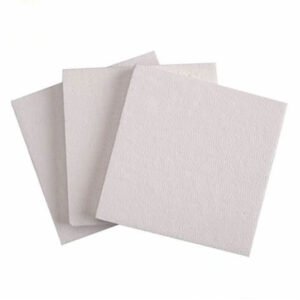
Zirconia fiber board have rigid, refractory structures composed of yttria-stabilized zirconia (YSZ) fibers that do not undergo the phase transitions associated with pure zirconia. The products are fired at ultra-high temperatures to impart good dimension stability at high temperatures. zirconia fiber board have several available densities with different strengths and thermal conductivities. All the products are zirconia bonded and have exceptional resistance to oxidizing atmospheres at high temperatures.
Zirconia fiber board have rigid, refractory structures composed of yttria-stabilized zirconia (YSZ) fibers that do not undergo the phase transitions associated with pure zirconia. The products are fired at ultra-high temperatures to impart good dimension stability at high temperatures. zirconia fiber board have several available densities with different strengths and thermal conductivities. All the products are zirconia bonded and have exceptional resistance to oxidizing atmospheres at high temperatures. Zirconia does, however lose a small amount of oxygen at very high temperatures in vacuum and inert or reducing atmospheres. This reaction results in a color change from white to gray while most other properties remain essentially unchanged and insulation effectiveness is not impaired. zirconia fiber board have exceptional resistance to most corrosive environments.
PROPERTIES & CHARACTERISTICS
| Purity | 99.7% |
| Bulk Density, g/cc | 1.2 |
| Porosity, % | 78 |
| Melting Point, °C | 2550 |
| Flexural Strength, (Parallel to thickness) MPa | 8.27 |
| Compressive Strength, (Parallel to thickness) @ 10% Compression MPa | 5.52 |
| Outgassing in Vacuum | Nil |
| Dilatometric Softening Temperature, °C | 1400 |
| Thermal Expansion Coefficient (Perpendicular to Thickness) RT to 1180 °C | 10.7 x 10⁻⁶/C |
| Linear Shrinkage (Perpendicular to Thickness) , % | |
| 1 hour at 1650°C | 0.0 |
| 24 hours. at 1650°C | 0.9 |
| 1/2 hour at 2000°C | 2 |
| Thermal Conductivity, (Parallel to thickness) | |
| W/mK (BTU/hr ft2 °F/inch) at 400°C | 0.24(1.7) |
| W/mK (BTU/hr ft2 °F/inch) at 800°C | 0.26(1.9) |
| W/mK (BTU/hr ft2 °F/inch) at 1100°C | 0.31(2.1) |
| W/mK (BTU/hr ft2 °F/inch) at 1400°C | 0.33(2.3) |
| W/mK (BTU/hr ft2 °F/inch) at 1650°C | 0.35(2.5) |
Benefits
High temperature stability.
Excellent strength and hardness.
Low thermal conductivity, sound transmission, and heat storage.
Uniform density and excellent resistance to thermal shock and chemical attack.
Excellent rigidity and modulus of rupture make the boards strong and self-supporting, yet relatively lightweight and easy to cut or machine.
Resistant to oxidation and reduction.
Permits fast thermal cycling without cracking or spalling.
Resists penetration by molten aluminum and other non-ferrous metals.
Applications
Used for hot surface heat insulation of a variety of high temperature furnaces
As a variety of high temperature electric furnace, crystal growth furnace, microwave sintering furnace and other hot field insulation
Used in nuclear reactor thermal protection system
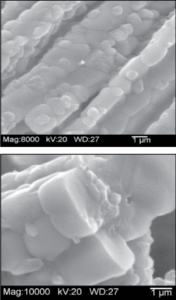
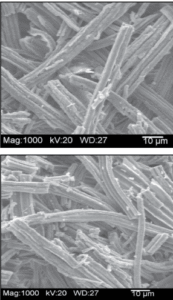
Product Micrographs