WhatsApp: ; Email:
Work

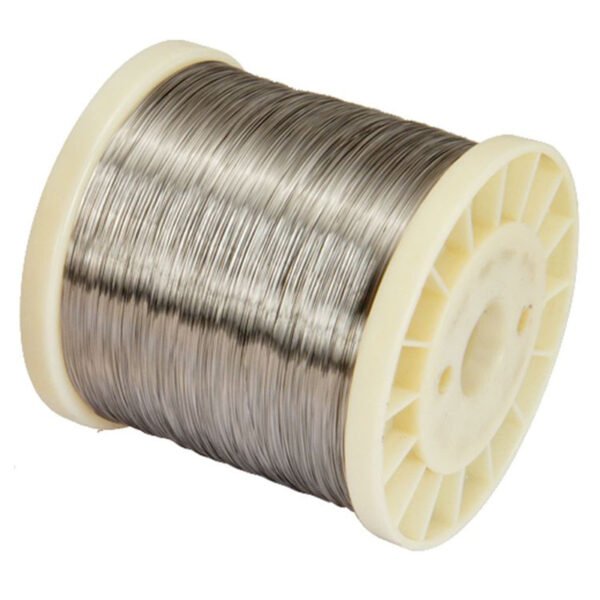
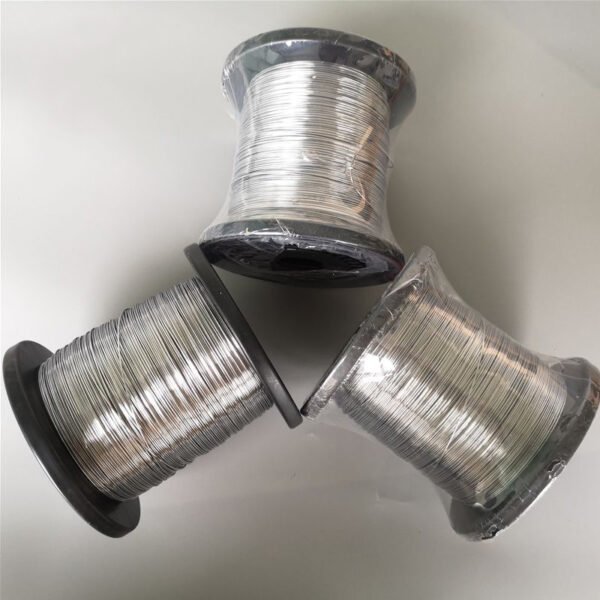
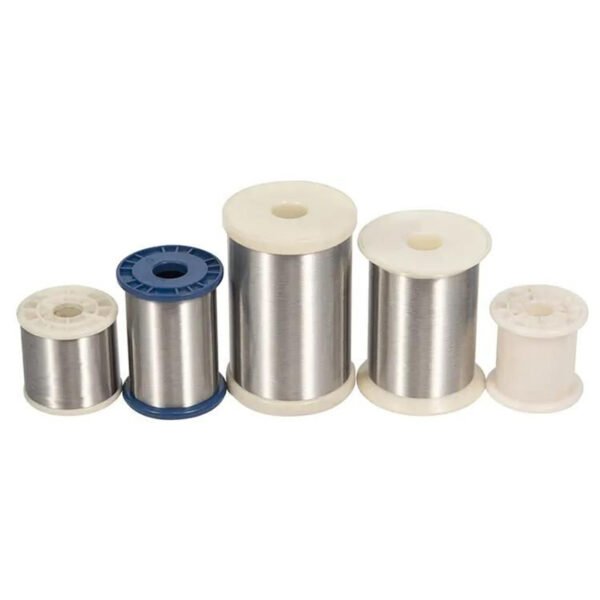
FeCrAl alloy wire mesh is a ferritic iron-chromium-aluminium (FeCrAl) alloy used primarily in electrical resistance heating elements, and other high-temperature settings, up to 2550°F. In addition to other beneficial properties, our alloy wire cloth offers both excellent oxidation resistance and high resistivity. It is often chosen over Nichrome V 80/20 , one of the oldest resistance heating alloys, when higher temperature use, longer life, and higher resistivity levels are required (not to mention its cheaper cost!).
Product Description
FeCrAl alloy wire mesh is a ferritic iron-chromium-aluminium (FeCrAl) alloy used primarily in electrical resistance heating elements, and other high-temperature settings, up to 2550°F. In addition to other beneficial properties, our alloy wire cloth offers both excellent oxidation resistance and high resistivity. It is often chosen over Nichrome V 80/20 , one of the oldest resistance heating alloys, when higher temperature use, longer life, and higher resistivity levels are required (not to mention its cheaper cost!).
Some characteristics of our FeCrAl alloy wire cloth which dictate its use are:
Ferritic iron-chromium-aluminium (FeCrAl) alloy.
Nominal composition of 22% chromium, 5.8% aluminum, and iron balance.
Very magnetic in all conditions.
Excellent oxidation resistance and high resistivity.
Good resistance to sulfur and carburizing settings.
Useful in high-temperature settings up to 2550°F.
Can be cut, formed, and welded.
Applications
FeCrAl Resistance Wire is an ideal heating material used in industrial furnaces, household appliances, and far-infrared devices.
Specifications
| Item | 1Cr13Al4 | 0Cr25Al5 | 0Cr21Al6 | 0Cr23Al5 | 0Cr21Al4 | 0Cr21Al6Nb | 0Cr27Al7Mo2 | |
| Main chemical composition (%) | Cr | 12.0-15.0 | 23.0-26.0 | 19.0-22.0 | 20.5-23.5 | 18.0-21.0 | 21.0-23.0 | 26.5-27.8 |
| Al | 4.0-6.0 | 4.5-6.5 | 5.0-7.0 | 4.2-5.3 | 3.0-4.2 | 5.0-7.0 | 6.0-7.0 | |
| Fe | Bal. | Bal. | Bal. | Bal. | Bal. | Bal. | Bal. | |
| Max. continuous service temp. (℃) | 650 | 1250 | 1250 | 1250 | 1100 | 1350 | 1400 | |
| Resistivity at 20℃ (μΩ·m) | 1.25 | 1.42 | 1.42 | 1.35 | 1.23 | 1.45 | 1.53 | |
| Density (g/cm3) | 7.4 | 7.1 | 7.16 | 7.25 | 7.35 | 7.1 | 7.1 | |
| Thermal conductivity
(KJ/m.h) |
52.7 | 46.1 | 63.2 | 60.2 | 46.9 | 46.1 | — | |
| Coefficient of lines expansion
(KJ/m.h) |
15.4 | 16 | 14.7 | 15 | 13.5 | — | — | |
| Melting point (℃) | 1450 | 1500 | 1500 | 1500 | 1500 | 1510 | 1520 | |
| Tensile strength (N/mm2) | 580-680 | 630-780 | 630-780 | 630-780 | 600-700 | 650-800 | 680-830 | |
| Elongation at rupture (%) | >16 | >12 | >12 | >12 | >12 | >12 | >10 | |
| Variation of area (%) | 65-75 | 60-75 | 65-75 | 65-75 | 65-75 | 65-75 | 65-75 | |
| Bending frequency (F/R) | >5 | >5 | >5 | >5 | >5 | >5 | >5 | |
| Hardness (H.B.) | 200-260 | 200-260 | 200-260 | 200-260 | 200-260 | 200-260 | 200-260 | |
| Micrographic structure | Ferrite | Ferrite | Ferrite | Ferrite | Ferrite | Ferrite | Ferrite | |
| Magnetic properties | Magnetic | Magnetic | Magnetic | Magnetic | Magnetic | Magnetic | Magnetic | |